
How Seniors Can Feel More at Home After a Big Life Change
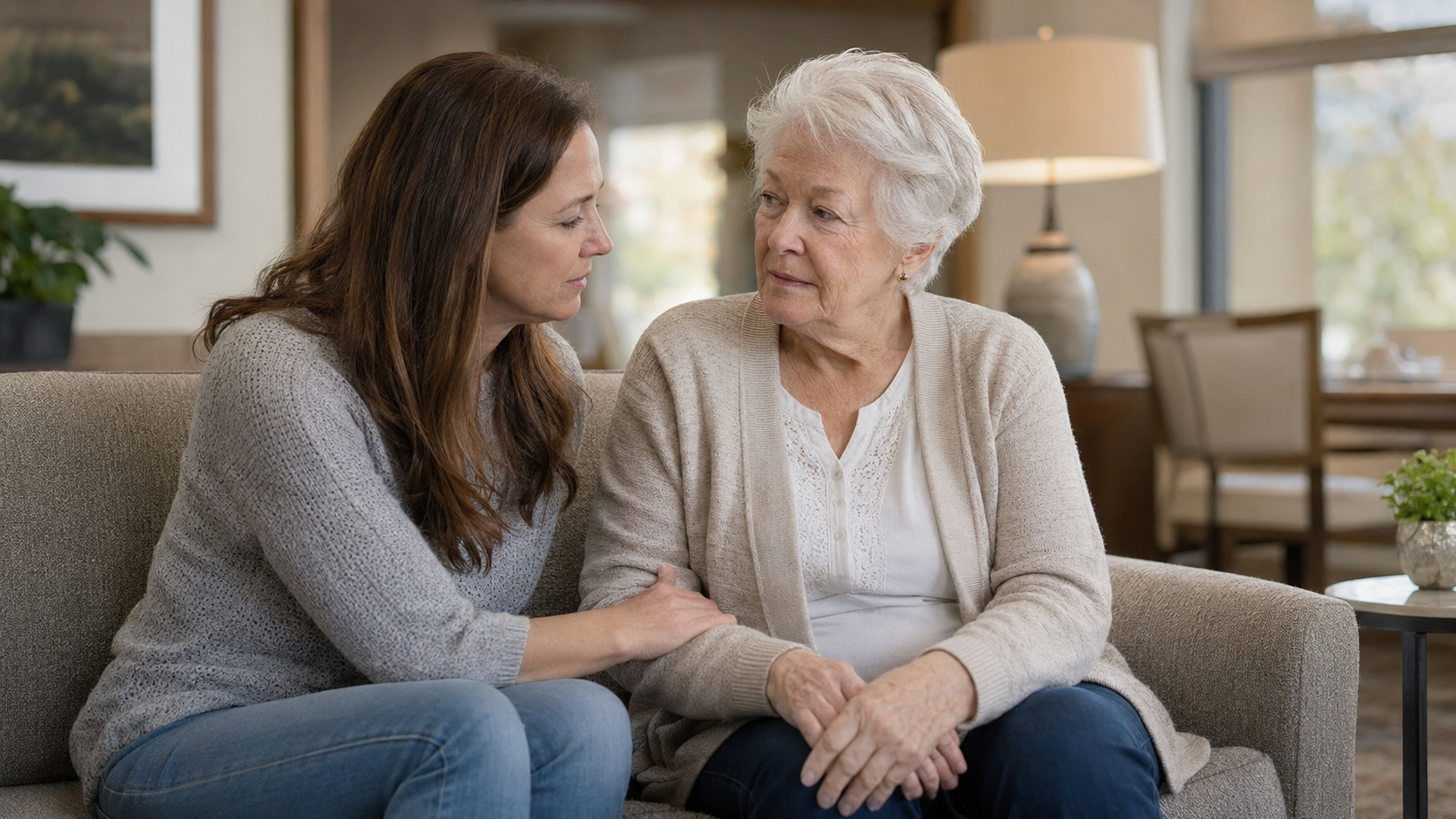

A major change can make familiar life feel uncertain. Helping seniors feel at home begins with restoring comfort through personal surroundings and dependable routines. Steady family support also helps.
This process may follow a move or a health change. It can also follow the loss of a familiar role. This guide helps older adults and family members ease that adjustment without rushing it. It is also useful for anyone supporting aging loved ones. Small choices can protect emotional well-being.
Start With What the Change Means to Your Aging Loved One
Every transition carries its own emotions. An aging loved one may miss familiar neighbors or the privacy of their own home. They may also feel relieved that everyday responsibilities have become manageable.
Ask your loved one what feels hardest and what they hope to preserve. Listen without immediately offering solutions. Their answer may involve a morning ritual or quiet time after lunch. This conversation helps both you and your loved one understand what matters most. It also gives family caregivers a clearer way to offer support without taking control.

Rebuild Daily Routines One Step at a Time
Familiar daily routines can provide stability when many details have changed. Keep meaningful parts of the day in place whenever possible. A preferred breakfast time may help the morning feel recognizable. An evening phone call can bring the day to a reassuring close.
Avoid filling every hour during the first week. Adjustment requires emotional energy, and extra rest may be needed. Introduce new daily activities gradually. Let your loved one choose what feels comfortable. Reliable patterns can make daily life feel less demanding. They also leave room for new experiences to become familiar at a natural pace.
Create Personalized Senior Spaces With Familiar Details
A new room feels warmer when it reflects the person living there. Bring favorite family photos and a familiar blanket. Arrange a treasured familiar object where it can be seen easily. Include your loved one in decisions about placement. Personal choices help the space reflect their history. Leave enough open floor area for comfortable movement.
Safety changes can feel unobtrusive. Families may improve lighting in dim areas or install grab bars where extra support is needed. Remove loose rugs that could cause a fall. Hallways and frequently used areas should remain well lit.
Home Care Services and Senior Living Communities
Some aging adults consider aging in place with home care services. Scheduled visits may provide daily assistance with personal hygiene, meal preparation, or medication reminders. Home health care may also provide clinical support ordered for a medical need.
However, home care can become difficult to coordinate as needs increase. A senior living community offers consistent services within one familiar setting. Residents can receive personal care services and daily living assistance while enjoying meals, activities, and everyday companionship.
This connected approach often provides greater reassurance for families. A senior care professional can help families understand each option.
Bringing Everyday Support Into One Familiar Setting
Managing several forms of assistance can become tiring when health issues affect a senior’s independence. A medical alert system may offer peace of mind, but it provides limited help with everyday needs.
Families may also rely on senior transportation services for appointments or running errands. Public transit can support some seniors, although changing mobility may make it difficult to use safely.
A senior living community brings practical assistance, social opportunities, and everyday conveniences into one familiar setting. This can make life easier for the senior while allowing their family to focus on spending meaningful time together.
Support Health and Nutrition During the Transition
Changes in appetite can occur during stressful periods. Familiar flavors may encourage eating when a new setting feels unfamiliar. Regular nutritious meals also support energy and overall well-being. Care teams should know about food preferences and chronic conditions that affect nutrition.
Movement can help an older adult stay healthy. A short walk or another form of gentle physical activity may support sleep and mood. The activity should match the senior’s abilities and medical guidance. Familiar movement can also bring welcome structure to the day.
Make Space for Social Connections
After a major change, a senior may miss everyday conversations with friends or former neighbors. Families can schedule regular visits when their loved one feels most comfortable.
At The Sonnet at Tennyson, residents can enjoy social events and meaningful activities throughout the week. The calendar includes exercise classes, music, bingo, special guests, therapy animal visits, and community outings. Shared spaces and outdoor walking paths also create natural opportunities for social interaction.
Residents can choose activities that reflect their interests and energy levels. Over time, these social opportunities can help residents form new friendships and feel more connected to their community. Support from family can also help a senior loved one stay connected during this adjustment.
Notice Emotional Health During a Big Change
Sadness and uncertainty may be part of adjustment. Persistent withdrawal can signal that more help is needed. A senior who is feeling isolated may stop attending activities or communicating with others.
Ask about their emotional health with warmth and patience. Changes in sleep or interest can sometimes relate to mental health concerns. A health professional can assess ongoing symptoms and suggest appropriate support.
Belonging often develops through ordinary moments. Having someone take a genuine interest in their day can make a big difference in helping a senior feel valued and connected. These experiences support well-being and help the senior reconnect with daily life.
Enjoy More Time for What Matters
At a senior living community, residents no longer need to manage demanding household chores or ongoing yard maintenance. Services such as light housekeeping and professional yard work reduce the physical and mental strain of maintaining a home.
With these responsibilities handled, seniors have more time and energy for meaningful activities, social events, and personal interests. They can connect with other residents or spend time with family. This everyday support does not remove personal choice. Residents decide how to spend their time and can remain independent while enjoying a lifestyle centred on connection and fulfillment.
Daily Living Assistance That Reflects Personal Needs
A new community can begin to feel like home when support reflects the resident’s preferences. Quality care should account for familiar routines, abilities, interests, and changing needs. Families can ask how caregivers get to know each resident and share important updates. They can also explore community resources that may provide guidance during the transition.
At The Sonnet at Tennyson, personalized care plans include support with daily living and medication management. Home-style meals and engaging activities add comfort and enjoyment to each day. This personalized approach can help residents settle in while supporting their independence and quality of life.
Helping Seniors Feel at Home at The Sonnet at Tennyson
Feeling at home develops through familiar choices and reliable relationships. Give the transition time, and let the senior guide the pace. The Sonnet at Tennyson offers assisted living and memory care in Madison, Wisconsin. Our private apartments and personalized support help residents settle into a welcoming community. Get in touch to learn more or schedule a tour.
Frequently Asked Questions
1. Can light housekeeping make a new living arrangement feel more manageable?
Yes. Light housekeeping reduces the demands of routine home upkeep. This gives seniors more time and energy to connect with others and enjoy meaningful activities.
2. Which household chores may become difficult after a health change?
Laundry or cleaning may become tiring when mobility changes. Families should ask which household chores feel difficult and arrange help for those specific tasks.
3. Can residents receive home health care in a senior living community?
Yes. Residents may receive home health care for eligible medical needs while living in a senior living community. This allows them to access clinical services while benefiting from daily support, meals, activities, and social connection.
4. How can family members support daily living without taking over?
Ask before helping and offer choices about personal care. Support with daily living should protect safety while respecting the senior’s preferences and abilities.
5. How can gentle physical activity help seniors feel more at home?
Gentle physical activity can add familiarity and purpose to a senior’s day. A short walk or group exercise class may also support social connection and overall well-being.
Ready to experience the harmony of senior living? Contact The Sonnet at Tennyson to schedule a tour!