
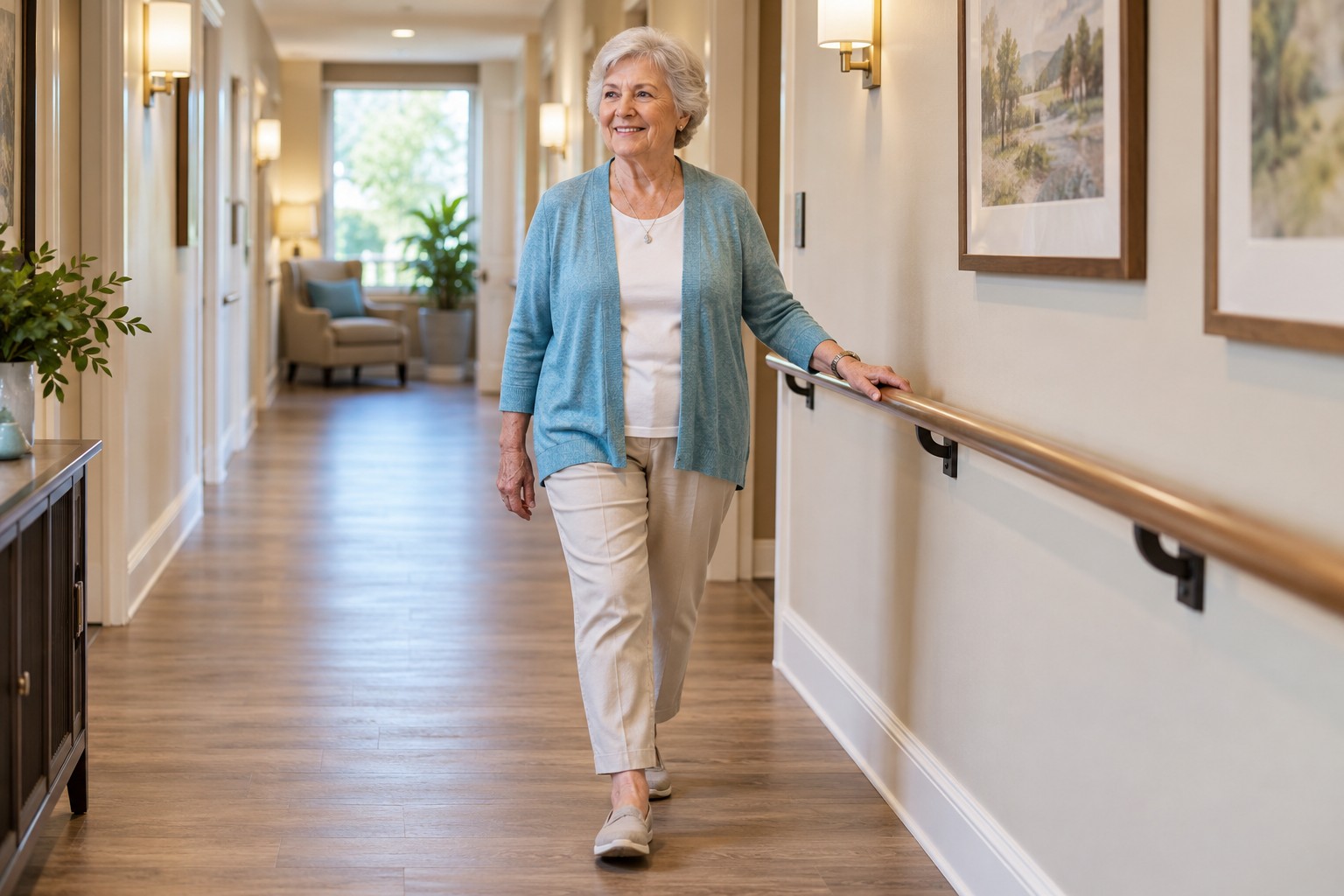

A familiar home can become harder to navigate as mobility, vision, balance, or memory changes. Loose flooring, difficult bathroom fixtures, and items stored out of reach can create safety concerns that were not present before. Fortunately, small adjustments can improve senior safety at home while supporting independence.
At The Sonnet at Tennyson in Madison, WI, assisted living and memory care apartments offer accessible bathrooms and safety assistance features. Residents also have access to personalized care and support 24 hours a day. These features can relieve the pressure on family members when a loved one’s home no longer meets their changing needs.
Improve Senior Safety at Home by Clearing Everyday Pathways
Home safety begins with the routes an older adult uses most. Walk through the house and notice anything that requires an awkward step, sudden turn, or careful maneuver. Electrical cords should be moved away from walking areas, while low furniture and other potential hazards should be removed from common pathways.
Loose rugs are another concern. Throw rugs and area rugs can shift or curl at the edges. It may be safest to remove throw rugs completely, especially when someone uses a walker. Any rugs that remain should have a secure, non-slip backing.
Poor lighting can also make obstacles and changes in floor level harder to see. Good lighting is particularly important near entrances, along hallways, and on stairs. These straightforward home safety tips can make daily movement feel more manageable without changing the character of the home.

Make the Bathroom Safer for Older Adults
The bathroom presents greater risk because water can create slippery surfaces. Non-slip mats can help prevent slipping beside the shower or tub, provided they lie flat and remain firmly in place.
Families may also need to install grab bars near the toilet and inside the bathing area. Properly secured grab bars offer reliable support when sitting, standing, or stepping over the side of a tub. Towel rails should never be used for this purpose because they are not intended to hold a person’s weight.
Frequently used toiletries should remain within easy reach. Lever handles may also be easier to operate for someone with reduced hand strength. Together, these modest changes can make personal routines safer and less tiring.
Improve Stability With Practical Fall Prevention Features
Falls are a leading cause of injury among older adults, so effective fall prevention begins with identifying the areas where someone may lose their footing. Balance problems, uneven flooring, and clutter can all increase fall risks.
Stair rails should be secure and easy to grip along the full staircase. Items should never be stored on the steps, even temporarily. When stairs become difficult to manage, stair lifts may be worth discussing with a qualified professional.
Some home modifications may be more extensive. For example, families may need to widen doorways when a wheelchair or mobility aid cannot pass through comfortably. The most suitable adjustment will depend on the layout of the home and the person’s specific needs.
Prepare a Medical Alert System for Emergencies
A medical alert system can help an older adult call for assistance when a phone is not nearby. The chosen medical alert device should be simple to operate and suitable for the areas where the person spends time.
A wearable alarm device may be useful for someone who moves between rooms or spends time outdoors. However, the older adult must remember to wear it and understand how it works. Families should test the device regularly and confirm that it connects properly.
Emergency information should also be kept where first responders can find it. This may include current medication details, relevant health care information, and emergency contacts. An accessible first aid kit can help with minor injuries, but medical emergencies require professional help.
Support Safer Cooking and Reduce Fire Hazards
For seniors who enjoy cooking, small changes can help them continue preparing food with greater confidence. Flammable items should be kept away from heat, and appliances should be switched off immediately after use. Space heaters should remain clear of curtains or bedding and should never obstruct walking routes.
The home should have working smoke alarms. Families who need to install smoke alarms or confirm suitable placement can contact their local fire department. Families should make an evacuation plan that the older adult can follow and keep exits clear.
These safety tips should reflect the person’s abilities without unnecessarily limiting their independence. If a loved one begins forgetting cookware on the stove or struggles to respond to an alarm, the family can consider what level of support would allow them to continue cooking more safely.
Choose Home Security That Is Easy to Use
Good home security should help an older adult feel protected without making it difficult to enter or leave the home. Exterior doors and windows should close securely, and the entrance should be well lit.
A security system can add reassurance if the resident can use it consistently. Security cameras or a video doorbell may also help someone identify a visitor before opening the door. Any technology should be simple enough to avoid confusion, particularly for a person living with Alzheimer’s disease.
Family members should also discuss unfamiliar callers and unexpected workers. Clear guidance can reduce the risk of scams or home burglary without causing unnecessary fear.
Ask a Healthcare Provider When Needs Change
A healthcare provider should be consulted when an older adult begins stumbling, holding onto furniture, or finding familiar activities difficult. These changes may be related to medication or illness rather than age, so they should be discussed with a healthcare professional instead of being dismissed as a normal part of aging.
The provider may recommend an assessment or refer the person for additional support. Occupational therapy can help older adults move more safely and steadily during everyday routines while identifying changes that may make the home easier to navigate.
Know When a Loved One Needs More Than Home Modifications
Small changes can improve a loved one’s home, but modifications cannot provide immediate help during an emergency. Most people also find that managing a house becomes more demanding when care needs increase.
A senior living community may offer a more sustainable answer when safety equipment and family support are no longer enough. The Sonnet at Tennyson offers apartment options with accessible features, customized care plans, and a full-time registered nurse on staff. Assisted living supports older adults who need help with daily routines, while memory care offers a comforting setting for those experiencing cognitive decline.
This environment can make maintaining independence easier while ensuring senior citizens and their families do not have to manage every risk alone.
Take the Next Step Toward Better Home Safety
Effective home safety is personal. The right changes depend on how someone moves, what tasks they complete, and where difficulties occur. Addressing loose rugs, slippery surfaces, or poor lighting can prevent falls without unnecessarily limiting a person’s choices.
As needs change, families should consider whether the home remains accessible and whether additional support would provide greater reassurance. The Sonnet at Tennyson offers assisted living and memory care in Madison, Wisconsin, within a welcoming setting created around seniors’ comfort and daily needs. Contact us to learn more or schedule a tour.
Frequently Asked Questions
1. How can occupational therapy improve safety at home?
An occupational therapist may use exercises to improve strength and stability during daily activities. Occupational therapy can also provide personalized recommendations for equipment or home changes that help the person move more safely and confidently.
2. What should an older adult do during a house fire?
During a house fire, the person should leave immediately and call emergency services from a safe location. They should not stop to collect belongings. Anyone with limited mobility should have an evacuation plan that reflects the assistance they may need.
3. Where can families find reliable home safety guidance?
Families can speak with healthcare professionals, emergency services, and recognized public health or disease control organizations. General advice should still be considered alongside the older adult’s health and the physical layout of the home.
4. How often should a senior’s home be checked for new risks?
The home should be reassessed after a fall, hospital stay, new diagnosis, or noticeable change in mobility. A review is also helpful when new equipment is introduced or the person’s level of support changes.
5. When should a family consider assisted living or memory care?
It may be time to explore senior living when someone remains unsafe despite reasonable changes, needs frequent help, or cannot respond reliably during an emergency. A supportive community can provide an accessible home along with the personal assistance that modifications alone cannot offer.
Ready to experience the harmony of senior living? Contact The Sonnet at Tennyson to schedule a tour!