
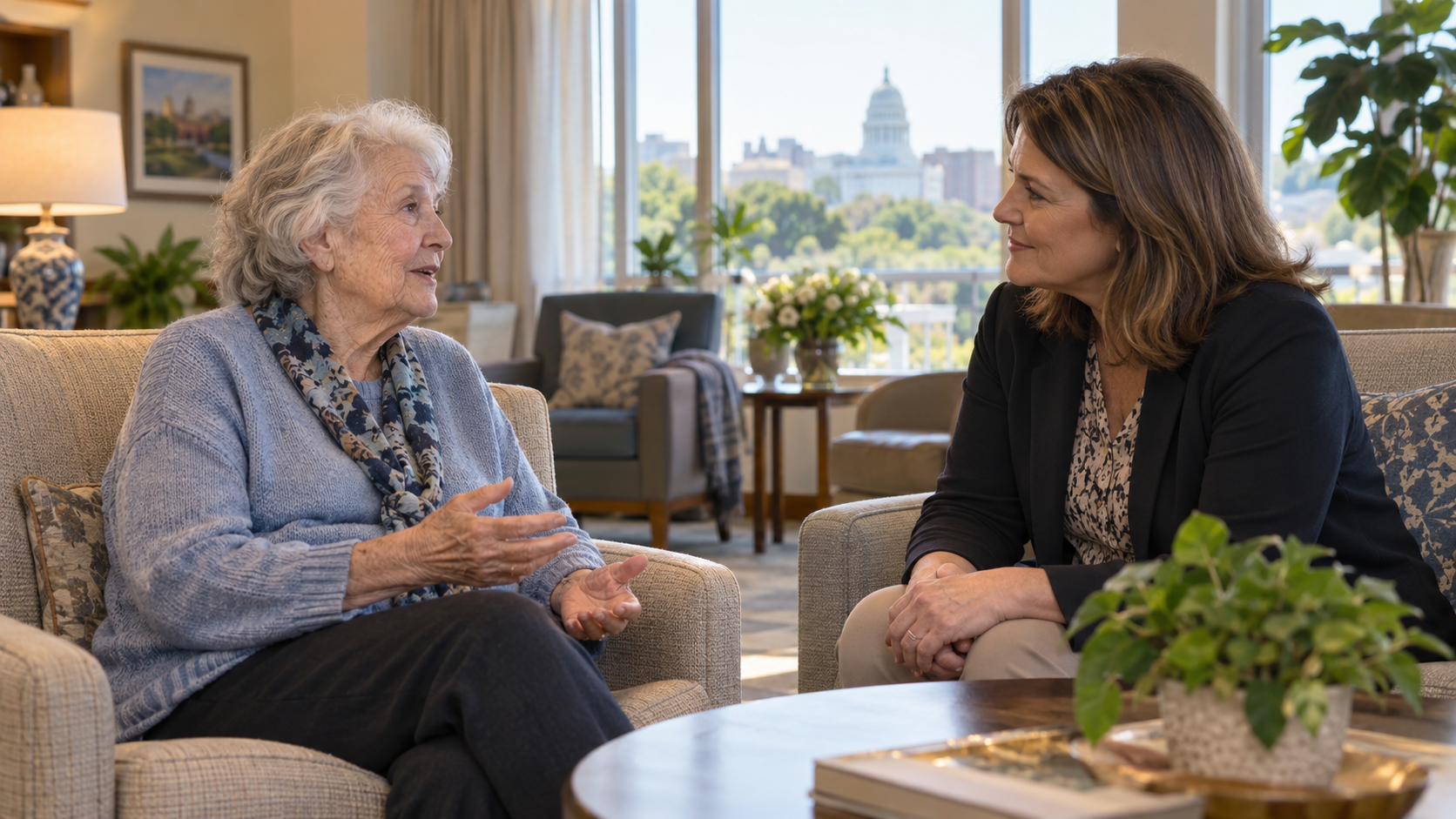

Aging changes more than what a person can do. It can also affect how they see themselves and the future they expected. Yet conversations often center on physical health while the emotional side remains unspoken.
An older adult may be coping with less independence or the loss of someone close. They may hesitate to speak because they do not want to worry their family members. Recognizing these feelings is an important part of emotional support for seniors. It helps families respond to the person, not only the changes around them.
Notice the Emotional Needs Behind Everyday Behavior
Emotional strain does not always look like sadness. A parent may reject help because it makes them feel less capable. Someone who calls repeatedly may need reassurance, while a person who stops joining conversations may feel they no longer belong.
These reactions can point to emotional needs involving choice, identity, privacy, or connection. Such emotional challenges should not be dismissed as stubbornness or an unavoidable part of growing older. Aging is not a mental illness, and difficult feelings do not automatically indicate a mental health condition. They do, however, deserve attention. Looking beneath the behavior can make a significant difference in how supported a person feels.

Consider the Factors Influencing Emotional Support
The factors influencing emotional support differ from one person to another. Health changes, grief, culture, family relationships, and previous experiences with care can shape how someone responds to the unique challenges of aging. Physical limitations may also reduce access to familiar routines or people.
There can be practical barriers too. Transportation problems or reduced hearing may make participation harder. Managing chronic illnesses, including high blood pressure, can create emotional strain. Prescription medications or sleep difficulties may also affect a person’s energy or mood.
Families should discuss new changes with a healthcare provider, especially when they appear after a health event or medication adjustment. This keeps emotional care connected to the person’s wider needs rather than treating each concern separately.
Use Active Listening Without Taking Control
Active listening gives an older person space to explain what a change means to them. Instead of immediately offering solutions, acknowledge the feeling and ask what kind of help would be useful. This can reveal whether the person wants practical assistance or simply needs to be heard.
Families can provide emotional support while still respecting independence. Offer real choices about visits, routines, meals, and group activities. Avoid speaking over the person or making every decision on their behalf. This balance supports emotional stability because help does not come at the cost of personal control. It also allows family involvement to feel reassuring rather than overwhelming.
Protect Social Connection Without Forcing It
Social isolation is not the same as choosing time alone. It occurs when a person has too little contact or support. Loneliness is the feeling that existing relationships do not provide the connection they need. Both can affect emotional health and physical health.
Meaningful social connection should reflect the person’s interests. A regular call from a close friend may matter more than an unfamiliar event. Senior centers, faith communities, libraries, or local community programs can also provide additional community resources.
In senior living communities, shared meals and events can make social interaction easier to access. The aim is not to keep someone constantly busy. It is to create opportunities for meaningful connections that feel natural.
Know When Emotional Distress Needs Mental Health Care
Grief and worry can be reasonable responses to change. Emotional distress may require further attention when it persists or begins affecting sleep, appetite, personal care, or interest in daily life. Withdrawal and hopelessness can also be depressive symptoms rather than ordinary aging.
Similar mental health symptoms can have different causes, including medication effects or illness. Families should seek an accurate diagnosis instead of making assumptions. A primary care clinician can assess the change and refer the person for professional help when needed.
Mental health care may include counseling or another form of professional treatment. Accessing professional support does not replace family care. It adds expertise when the person is facing more complex challenges.
Support Emotional Wellness in Assisted Living Settings
The right assisted living settings can ease pressures that affect emotional wellness. Help with daily tasks may preserve energy for preferred routines, while regular contact can reduce the risk of disconnection. Instrumental support, such as help with personal care or medication management, also becomes more valuable when it is provided with respect.
At The Sonnet at Tennyson in Madison, WI, residents receive personalized assisted living or memory care, with support available 24 hours a day. Our community offers customized care plans and a full-time registered nurse on staff. Activities and outings offer opportunities for connection.
For people experiencing dementia or cognitive decline, the memory care program provides calming surroundings and familiar routines. These features create a supportive environment where practical care can complement consistent emotional support.
Help Your Loved One Feel Seen
The emotional side of aging is easy to miss because it is often expressed indirectly. Paying attention to changes in confidence and connection helps families respond with greater care. Adequate emotional support does not mean removing every difficult feeling. It means ensuring the person does not face those feelings alone.
At The Sonnet at Tennyson, personalized support and community life help residents remain connected while receiving the assistance they need. If you are considering assisted living or memory care for a loved one, get in touch with our team to learn more or schedule a tour.
Frequently Asked Questions
1. How can family members provide emotional support for seniors?
Family members can listen without rushing to solve the problem and include the older adult in decisions. Communication should also remain dependable. Emotional care should reflect the person’s preferences rather than assumptions about their age group. This approach supports emotional well-being and helps relatives notice changing emotional support needs without taking away control.
2. Can support groups improve quality of life?
Support groups can help older adults speak with people facing similar changes. They may offer reassurance and useful social support, especially after a loss or diagnosis. A suitable group can strengthen mental well-being and contribute to a better quality of life, but participation should remain a personal choice.
3. Why does accurate diagnosis matter when moods change?
An accurate diagnosis helps separate temporary sadness from depression, anxiety disorders, medication effects, or another health concern. Older adults can experience treatable conditions just as younger adults can. Proper evaluation guides appropriate mental health support and protects overall mental well-being.
4. When should families seek crisis support?
Immediate crisis support is needed if someone talks about suicide or appears to be in danger. In the United States, call or text 988. Call 911 for an immediate emergency. The Substance Abuse and Mental Health Services Administration also connects people with mental health services and mental health resources.
5. How do assisted living facilities support a positive outlook?
Services vary among assisted living facilities, but reliable care can reduce daily strain and leave more room for positive emotions. Access to physical activity and companionship may support a positive outlook.
The Centers for Disease Control and Prevention identifies social isolation and loneliness as public health concerns. The Sonnet provides daily opportunities for residents to stay connected. Together, practical help and connection can support the overall quality of daily life and make all the difference to many seniors.
Ready to experience the harmony of senior living? Contact The Sonnet at Tennyson to schedule a tour!