

How Seniors Can Feel More at Home After a Big Life Change
Explore ways of helping seniors feel at home after a major life change through familiar routines, social connection, and personalized support.

When Memory Loss Becomes More Than Normal Aging
Learn to recognize memory loss warning signs and understand when changes may need medical attention for your loved one.

What Families Should Know About Senior Loneliness
Learn what causes senior loneliness and how it may affect health. Explore supportive ways to help older adults feel connected.

Small Wellness Habits That Make Aging Feel More Manageable
Small, repeatable choices can make aging feel more manageable without turning each day into a demanding wellness project. Simple movement, nourishing meals, restorative rest, social connection, and appropriate medical follow-up can support comfort and confidence.
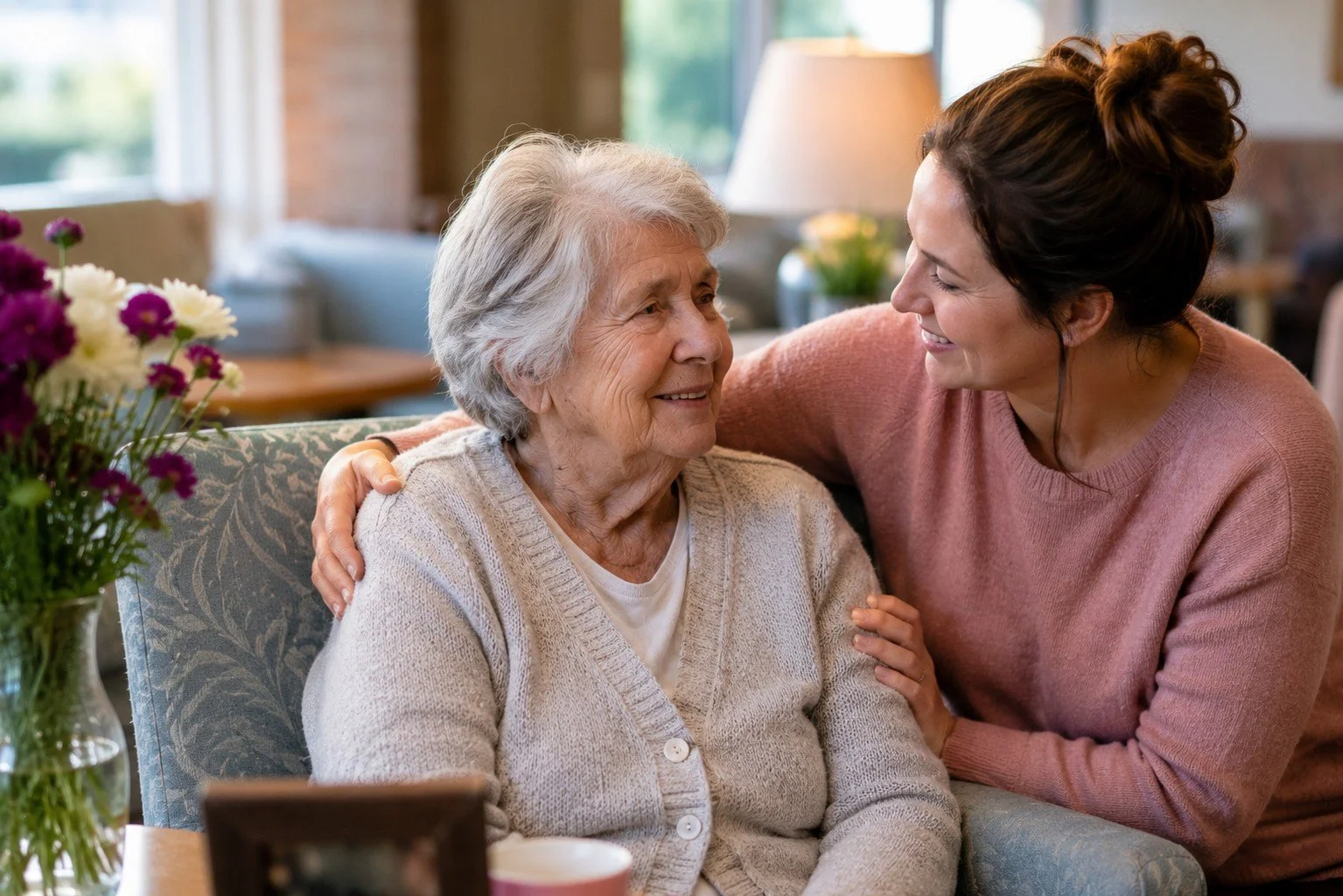
How to Communicate With a Loved One Living With Dementia
Communication can become more challenging after a loved one develops dementia, but meaningful connection is still possible. Learning how to communicate with a person with dementia often involves adjusting your approach rather than expecting conversations to stay the same.

Simple Social Activities That Help Seniors Stay Connected
Staying socially connected is one of the simplest ways for seniors to support their quality of life. Simple social activities for seniors promote physical and mental health, and bring purpose to everyday routines.

How to Support an Aging Parent Without Taking Over
Supporting an aging parent without taking over begins with patience and the right level of guidance. Many adult children want to help while still allowing their parents to remain independent. This balance can feel difficult as parents age and needs begin to change.

Why a Consistent Daily Routine Helps Seniors Feel More Confident
A steady daily routine for seniors supports confidence by creating predictability and a sense of control. This article explains how routines shape daily life and why it matters. It is written for families, caregivers, and older adults exploring supportive living.

How to Support an Aging Parent Without Taking Away Independence
Learning how to support an aging parent often means finding the right balance between helping and stepping back. As loved ones grow older, they may need more support with certain aspects of daily life while still wanting to maintain their independence and make their own choices.

The Emotional Side of Aging That Families Often Overlook
The emotional side of aging is often less visible than physical changes, yet it can have a significant impact on quality of life. Families may notice mobility challenges, hearing loss, or new medical care needs, but emotional shifts are not always easy to recognize.

How Seniors Can Stay Mentally Sharp Without Feeling Overwhelmed
Learning how seniors can stay mentally sharp does not require pressure, perfection, or a packed schedule. Small habits can protect brain health and support memory in your later years. The goal is to keep your mind sharp at your own pace.

Why Social Connection Matters More Than Ever as We Age
Older adults in 2026 face a unique challenge. Technology makes it easier to stay in touch, yet many people still experience loneliness and disconnection. As awareness grows around the importance of social connection,

Small Daily Habits That Make a Big Difference as We Age
Aging brings natural changes, yet small, steady actions can shape how each day feels. In assisted living and memory care communities, gentle structure supports independence while creating a sense of familiarity.

Why Madison Is a Beautiful Place to Call Home at Any Stage of Life
Madison offers a setting where people can truly feel at ease, surrounded by natural beauty and a welcoming community that values every stage of life. This city brings together charm and a sense of belonging that makes it a perfect place to call home.

How Memory Care Supports Familiarity, Comfort, and Dignity
Memory care communities play an essential part in preserving identity while supporting comfort and dignity as needs change. Families often begin searching for answers when a loved one experiences cognitive decline, which can bring uncertainty and emotional strain.

Local Madison Spots Families Love Visiting Together
Families looking for local Madison spots often find that time together feels easier and more meaningful when outings are simple and enjoyable. Each part of the city reflects strong community values, where shared outings become a natural part of daily life.

When Families Start Thinking About Assisted Living (And Why That’s Okay)
There is rarely a clear beginning to this thought. It does not arrive as a decision. It often begins as a feeling that something has shifted, even if you cannot fully name it yet.

Easy Spring & Summer Recipes Families and Residents Love
As spring settles in and summer begins to unfold, meals start to feel a little brighter and easier. Fresh fruit returns, vegetables feel lighter, and recipes no longer need to be heavy to feel satisfying.

A Fresh Season: What Spring and Summer Mean in Assisted Living
Seasonal change carries a quiet sense of renewal. As winter slowly fades and sunlight returns, many families begin to reflect on how daily life can feel lighter and more connected. For older adults and their loved ones, this shift often brings new possibilities for comfort, companionship, and growth.

Spring in Madison: Simple Ways Seniors Enjoy the Outdoors Again
As winter gently loosens its hold on Madison, a sense of renewal begins to stir. The snow melts, sunlight lingers a little longer, and many seniors feel the invitation to step outside once more. Spring marks a new chapter, especially within a senior living community where daily life is thoughtfully supported and connection is nurtured.